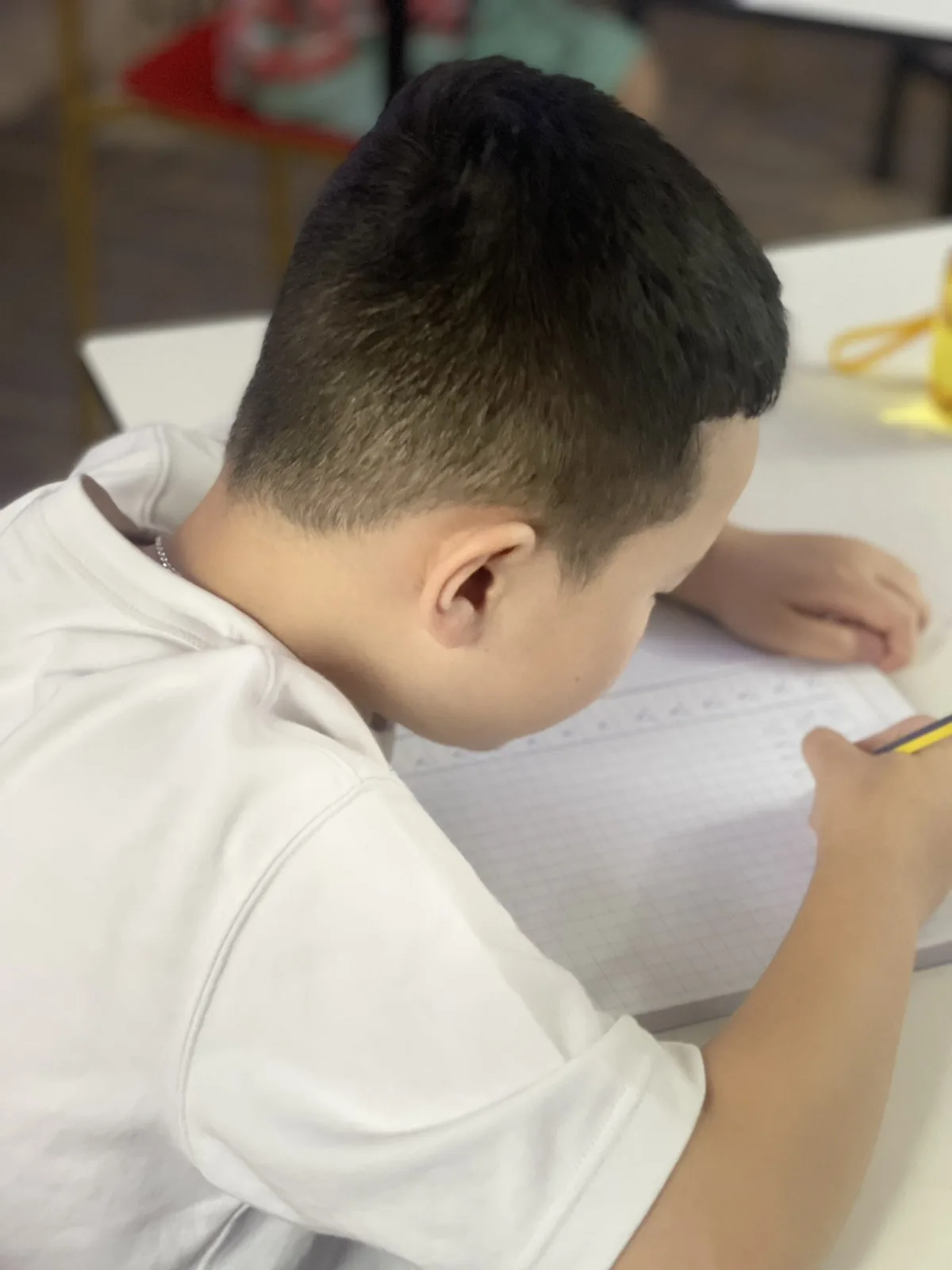
The Moment a Student Becomes a Reader | Spark English Vietnam
The Moment a Student Becomes a Reader
By Ms. Emma, Spark English Center Vietnam
There is a moment that every reading teacher hopes to witness. It is not something that appears on a report card, and it is not usually reflected in a test score. It does not happen because a student completes a particular phonics phase or reaches a specific reading level. In fact, it often arrives quietly, almost unnoticed at first. Yet for teachers, it is one of the most rewarding moments in education.
It is the moment a student stops seeing reading as something difficult and begins seeing themselves as a reader.
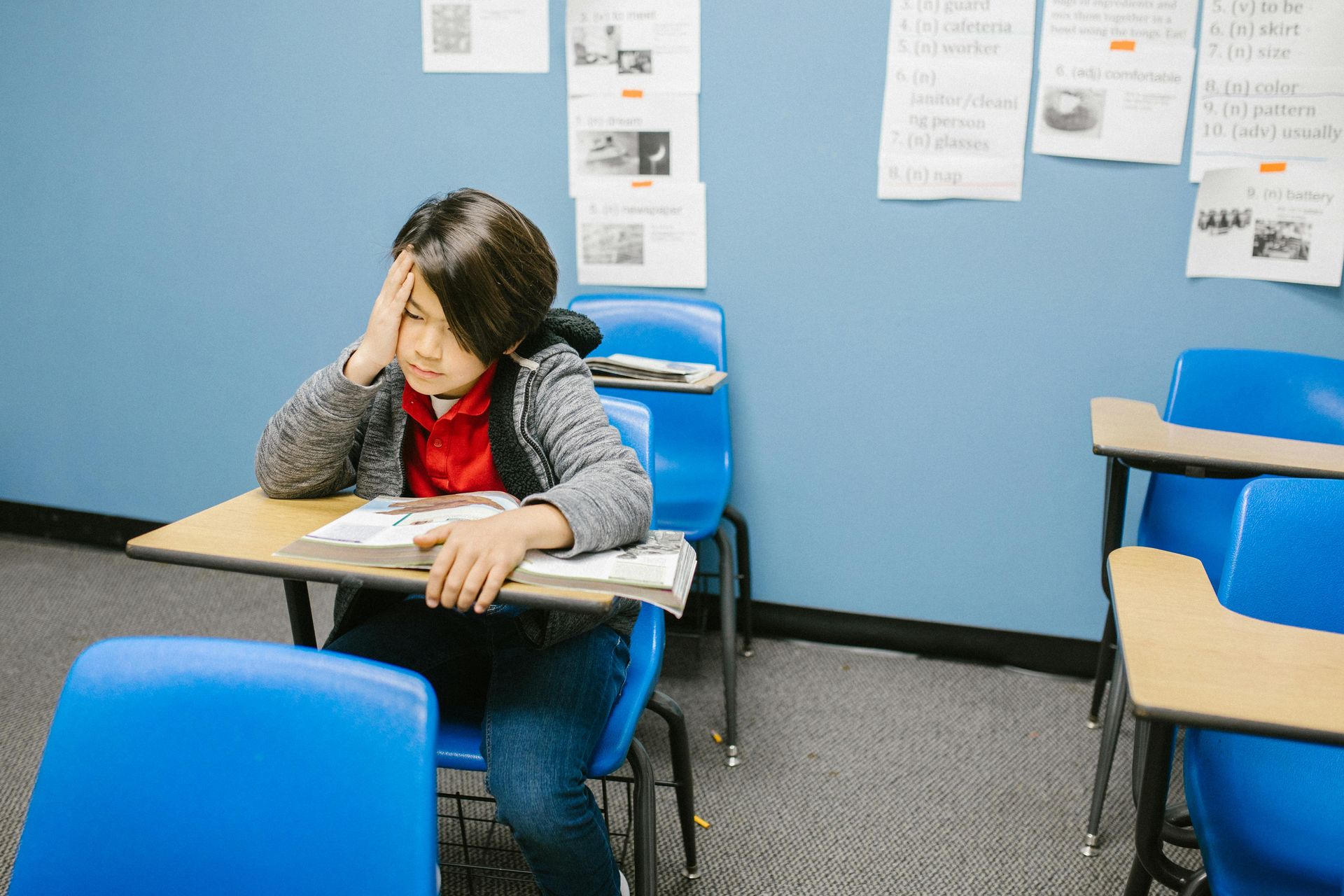
Over the years, I have taught many students who arrived in class feeling uncertain about books. Some were hesitant to attempt unfamiliar words. Others lacked confidence because reading felt slow and frustrating. Many had become so accustomed to needing help that they automatically looked to an adult whenever they encountered a challenge on the page.
What makes this journey so fascinating is that the transformation rarely happens all at once.
Parents often hope for a breakthrough moment where everything suddenly clicks. While there are certainly moments that feel dramatic, reading development is usually built from hundreds of small successes accumulated over time. A child learns a new sound. They successfully blend a difficult word. They finish a short book independently. They read aloud in class without hesitation. They answer a comprehension question correctly. Each of these experiences may seem small on its own, but together they begin building something incredibly important: confidence.
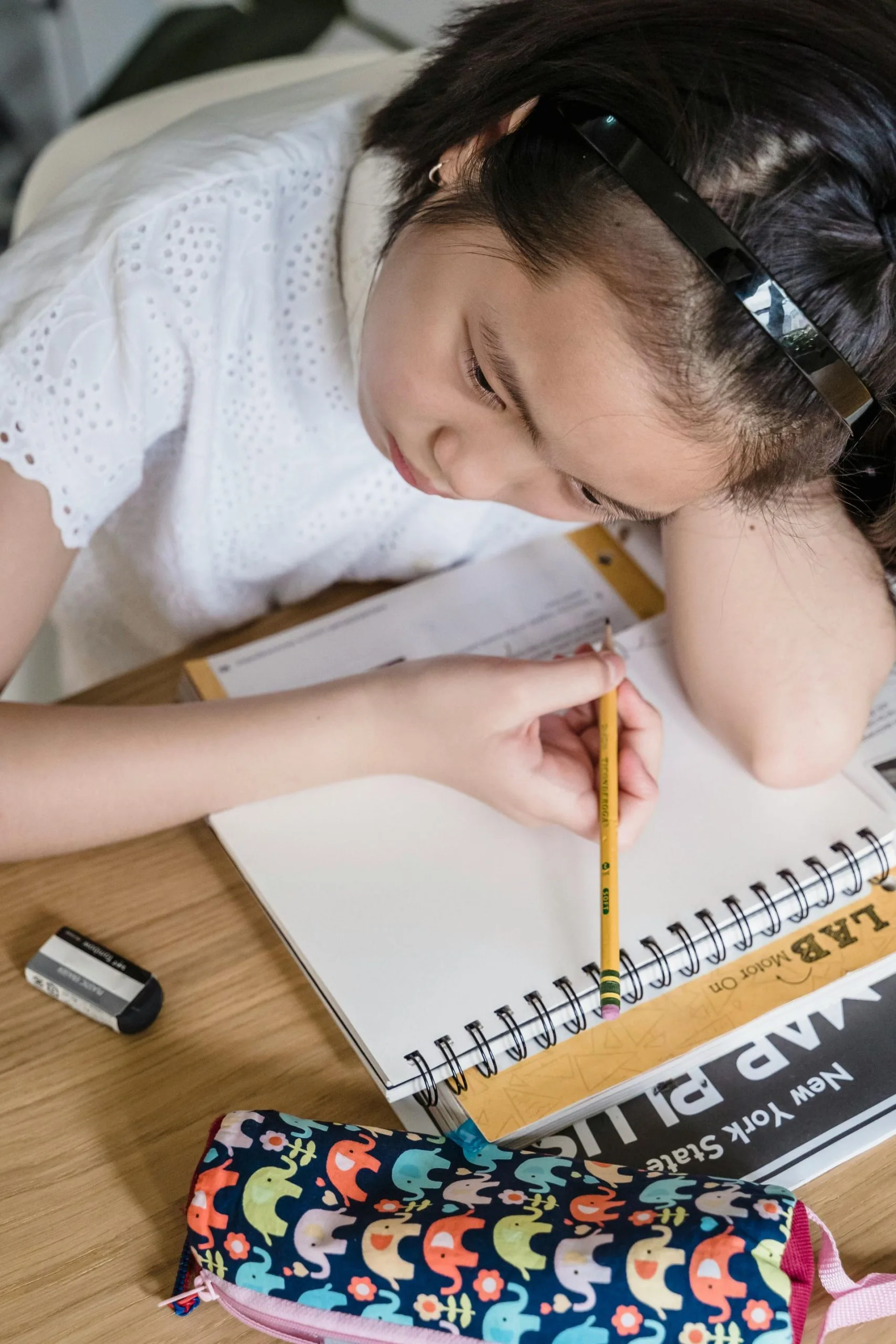
When students first begin learning to read, they are working much harder than most adults realize. Every sentence requires concentration. They must recognize letters, recall sounds, blend phonemes, decode unfamiliar words, and think about meaning simultaneously. What feels effortless to an experienced reader can feel overwhelming to a beginner.
This is why the early stages of reading often require so much encouragement. Children are investing enormous amounts of mental energy into tasks that stronger readers complete automatically. From their perspective, progress can sometimes feel slow because they are focused on what they cannot yet do rather than how far they have already come.
Then, gradually, something begins to change.
Words that once seemed impossible become familiar. Blending becomes faster. Decoding requires less conscious effort. Students begin recognizing patterns they have seen before. Instead of concentrating on every individual sound, they start reading whole words more automatically. Their reading becomes smoother, their confidence increases, and they begin paying more attention to the story than the mechanics of reading itself.
One of my favorite things to observe is the moment when a student becomes completely absorbed in a book. It often happens unexpectedly. A child who previously needed constant reassurance suddenly reads several pages without looking up. They become curious about what happens next. They laugh at a funny scene. They make predictions about a character’s choices. They become emotionally invested in the story.
At that point, something important has shifted.
The student is no longer simply practicing reading.
They are reading.
As teachers, we spend a great deal of time helping students develop technical skills such as phonics, decoding, fluency, and comprehension. These skills are essential because they provide the foundation for literacy. However, the true goal extends beyond helping children read words accurately. The goal is helping them reach a point where reading becomes a natural, enjoyable, and meaningful part of their lives.
That is why confidence matters so much.
Students who believe they can read approach challenges differently from students who doubt themselves. They are more willing to tackle unfamiliar vocabulary. They persist when a text becomes difficult. They recover more quickly from mistakes. Most importantly, they continue reading.
Over time, this creates a powerful cycle. More reading leads to stronger vocabulary. Stronger vocabulary improves comprehension. Better comprehension makes reading more enjoyable. Enjoyable reading encourages children to read more. What began as a difficult skill gradually becomes a habit.
This is one reason why independent reading is so valuable. Once children begin reading for pleasure rather than obligation, they gain access to a tremendous source of learning. Books allow students to explore new interests, encounter new perspectives, and develop knowledge far beyond what can be taught during lessons alone. Reading becomes a tool that supports growth across every academic subject.
Parents often ask how they can help their child reach this stage. My answer is usually reassuringly simple. Continue reading together. Encourage effort. Celebrate progress. Allow mistakes to happen. Choose books that match your child’s interests and current abilities. Most importantly, be patient with the process.
Every reader develops at a different pace.
Some students appear to make rapid progress, while others require more time. Neither path is better than the other. What matters is creating enough positive reading experiences that students begin seeing themselves as capable readers.
At Spark English Center Vietnam, we often talk about building confidence one success at a time. Every completed book, every successfully decoded word, every answered comprehension question, and every reading breakthrough adds another small piece to that confidence. Eventually, those small pieces accumulate into something powerful.
The moment a student becomes a reader is rarely defined by a particular lesson or achievement. It is defined by a change in identity. It is the moment a child realizes they no longer need to wonder whether they can read.
They already are.
Frequently Asked Questions
How do I know if my child is becoming a reader?
One of the clearest signs is that your child begins reading without being prompted. They may choose to pick up a book independently, become curious about stories, or show greater confidence when encountering unfamiliar words. Strong readers are not necessarily perfect readers. They are students who are willing to engage with books and trust themselves to work through challenges.
Is it normal for reading progress to seem slow?
Yes. Reading development often happens gradually. Parents sometimes focus on what their child still finds difficult, while teachers can see the many small skills developing underneath the surface. Reading is a complex process involving phonics, fluency, vocabulary, and comprehension. These skills grow over time and often lead to noticeable breakthroughs later.
What if my child still needs help with some words?
That is completely normal. Even strong readers encounter unfamiliar vocabulary. The goal is not for children to know every word they see. The goal is for them to have the confidence and skills to approach unfamiliar words successfully and continue understanding the overall text.
Should my child reread books they have already finished?
Absolutely. Rereading familiar books is one of the best ways to build fluency and confidence. When students are not using all their energy to decode words, they can focus more on comprehension, expression, and enjoyment.
What is more important: phonics or comprehension?
Both are essential. Phonics helps children read the words accurately. Comprehension helps them understand and learn from what they read. Strong literacy development requires both skills working together.
How can I encourage a child who says they don’t like reading?
Often, children who claim they dislike reading simply have not found the right books yet. Choosing topics that genuinely interest them and ensuring books are at an appropriate challenge level can make a significant difference. Positive reading experiences are often what transform reluctant readers into enthusiastic ones.
Final Thought
One of the greatest privileges of teaching is witnessing a child discover something they did not realize they were capable of doing.
Not because somebody told them.
Not because of a test score.
But because they experience it for themselves.
The first time a child becomes fully absorbed in a book, laughs at a character, predicts what might happen next, or chooses to keep reading without being asked, something important has happened. Reading is no longer simply a skill they are practicing in class. It has become part of who they are.
At Spark English Center Vietnam, we believe every child deserves the opportunity to experience that moment. It may happen at different ages and at different speeds, but with the right instruction, encouragement, and support, every student can continue moving toward confident, independent reading.
Because the goal is not simply teaching children how to read.
The goal is helping them discover that they are readers.
Free Literacy Assessment
If you’re wondering where your child is on their reading journey, a literacy assessment can provide valuable insight into their strengths and next steps.
At Spark English Center Vietnam, our free literacy assessment evaluates:
- Phonics knowledge
- Decoding skills
- Reading fluency
- Vocabulary development
- Reading comprehension
- Reading confidence
Families receive personalized feedback, practical recommendations, and a clear pathway for continued growth.
👉 Book your free assessment today:
https://www.sparkvn.com/Assessment
Because every confident reader starts with a single step, and sometimes all a child needs is the right support to discover what they are capable of.