Online vs In-Person Learning: Which Is Better for Kids?
Online Learning vs. In-Person Learning: Which Is Better for Your Child?
Parents today have more choices about how their children learn than ever before.
A child can attend an English class at a learning center, work privately with a teacher online, join a small online group, combine online and face-to-face lessons, or even continue studying with the same teacher after moving to another country.
That flexibility is incredibly useful, particularly for international families.
But it has also created a question we hear from parents:
Is online learning actually as effective as learning in person?
The answer isn't as simple as choosing one over the other.
At Spark English Center Vietnam, we believe the format matters—but what happens inside the lesson matters even more.
A fantastic teacher working online may be far more effective than a poorly matched in-person class. At the same time, there are certain skills and certain children who can benefit enormously from physically being in a classroom with a teacher and other students.
So instead of asking:
"Which format is better?"
we encourage parents to ask:
"Which format is better for my child, at this stage of their learning?"
That small change in the question can lead to a much better decision.
Online Learning Has Changed
It is important to separate modern online learning from the emergency online schooling many families experienced during the pandemic.
Those were unusual circumstances.
Teachers, schools, children and parents were suddenly asked to recreate an entire school day through a computer screen, often with little preparation.
That is very different from a purpose-built online English lesson.
Today, online learning might involve a student working directly with a teacher on reading comprehension, receiving live feedback on an essay, practising IELTS speaking, reading aloud, discussing vocabulary, or receiving targeted support for a specific learning gap.
But even then, not all online learning is equal.
Watching a prerecorded video is online learning.
Sitting silently in an online class with 25 students is online learning.
Working individually with an experienced teacher who knows your child's strengths and weaknesses is also online learning.
Those experiences are completely different.
And exactly the same thing is true in person.
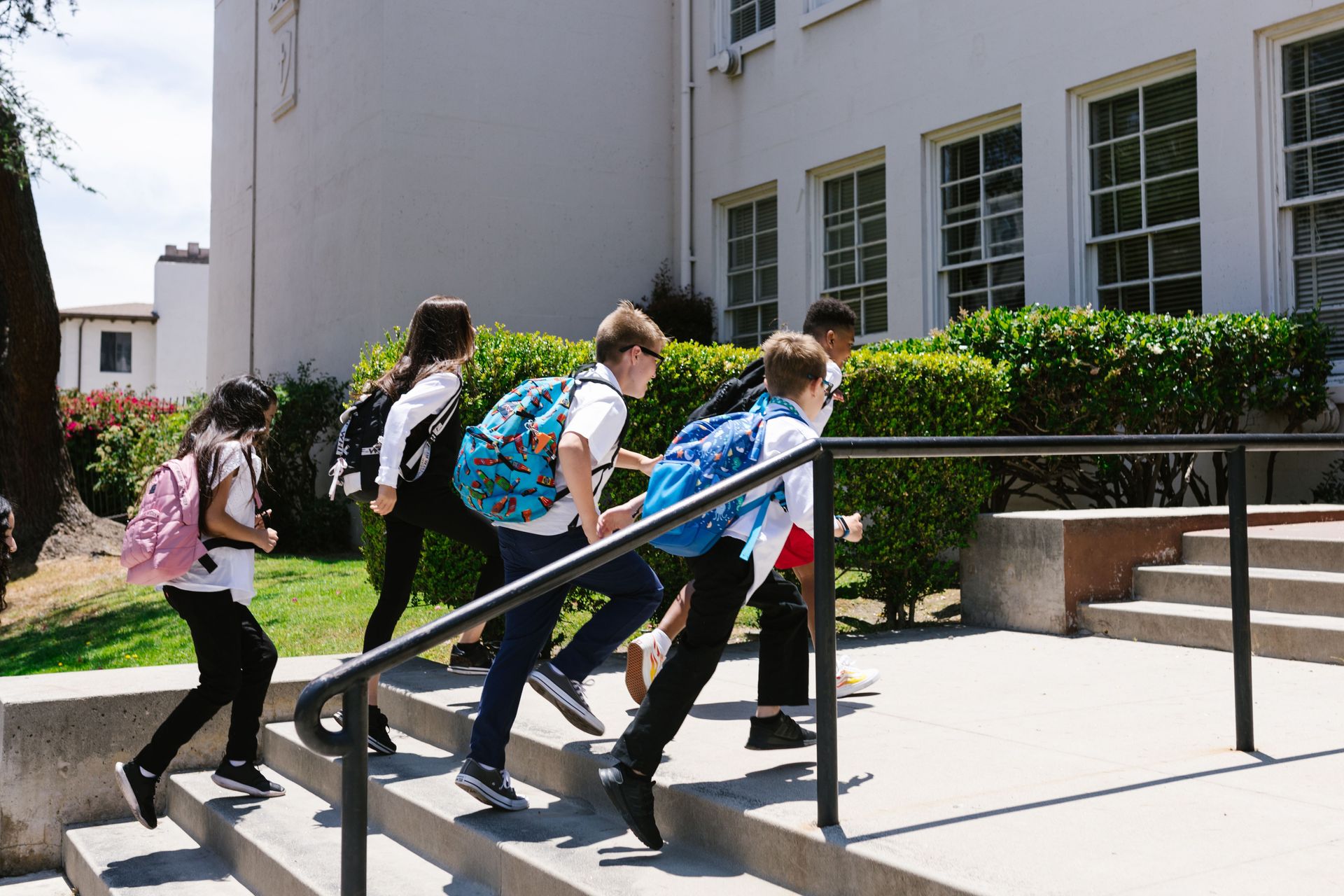
A child sitting at the back of a class with 30 students is technically receiving face-to-face instruction.
So is a child working with a teacher in a small group where every student reads, writes, answers questions and receives individual feedback.
The format tells us where the learning happens.
It does not automatically tell us how good the learning is.
The Biggest Advantage of In-Person Learning: Interaction
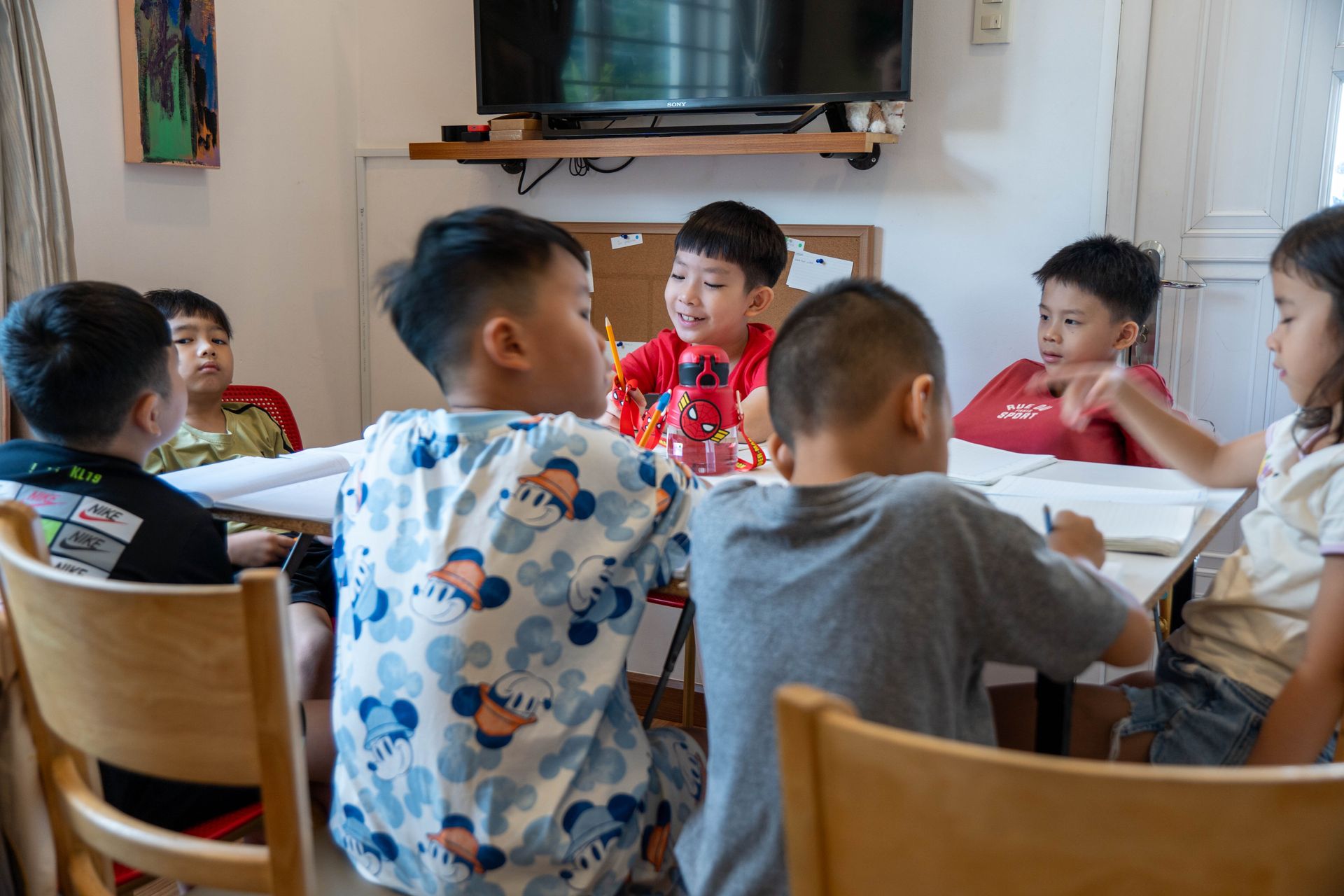
There is something very valuable about children physically sharing a learning environment.
A teacher can immediately see when a student looks confused.
A child can turn to a classmate and discuss an answer.
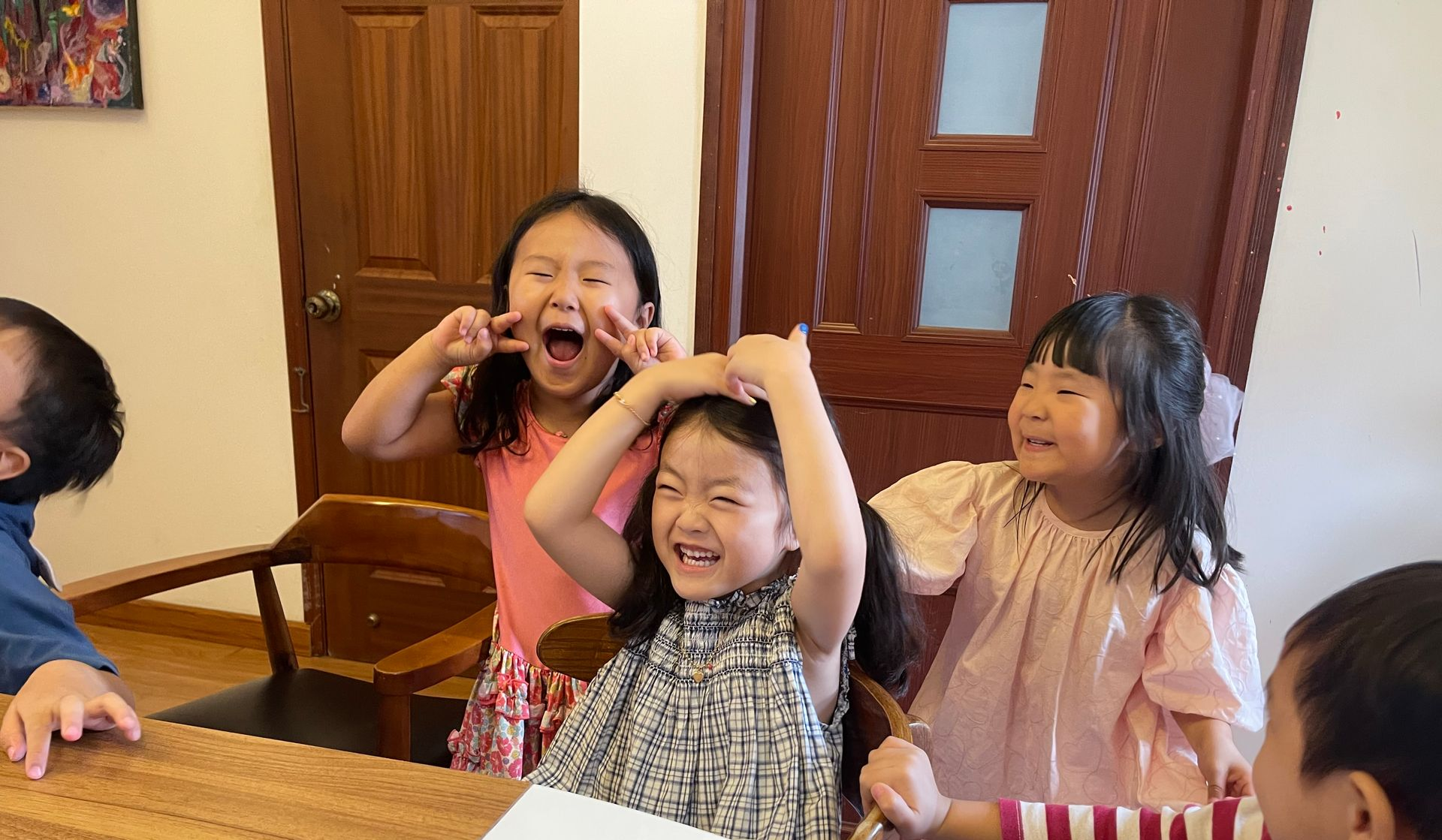
Students can read together, play language games, compare ideas, build words, move around the room, use physical materials and respond naturally to one another.
These small interactions are particularly valuable when learning a language because language is inherently social.
Children don't learn English simply so they can complete worksheets.
They learn it so they can communicate.
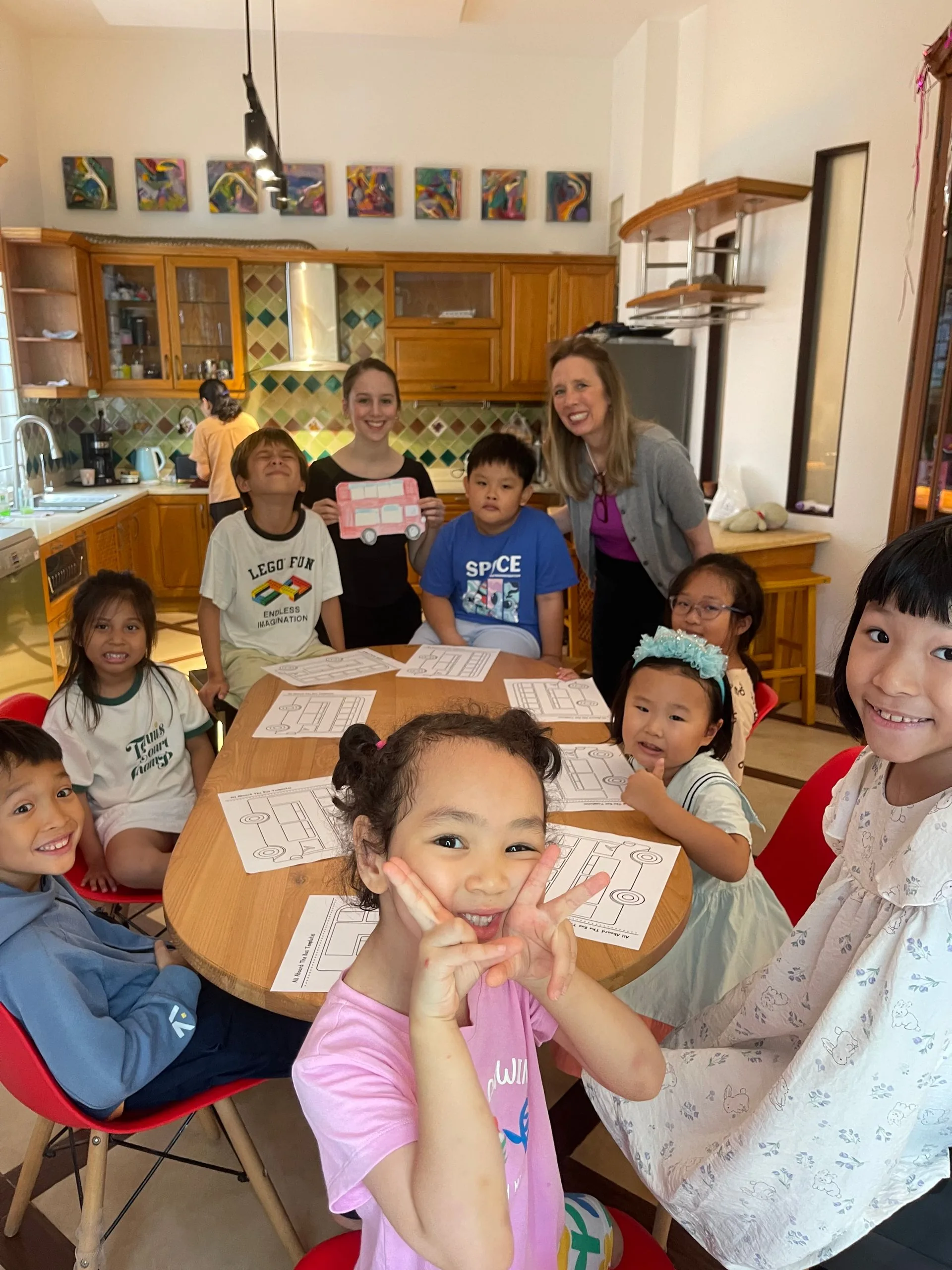
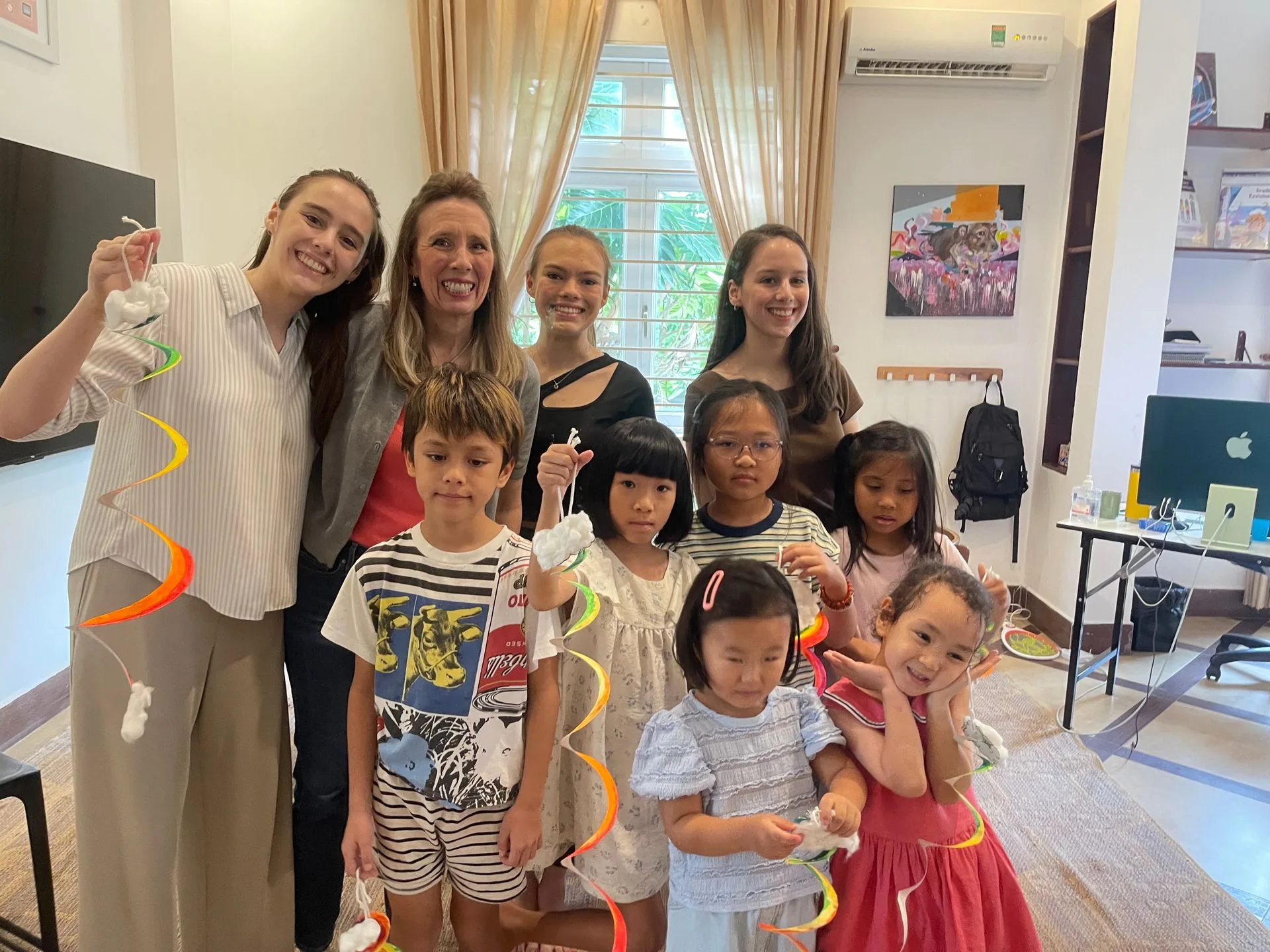
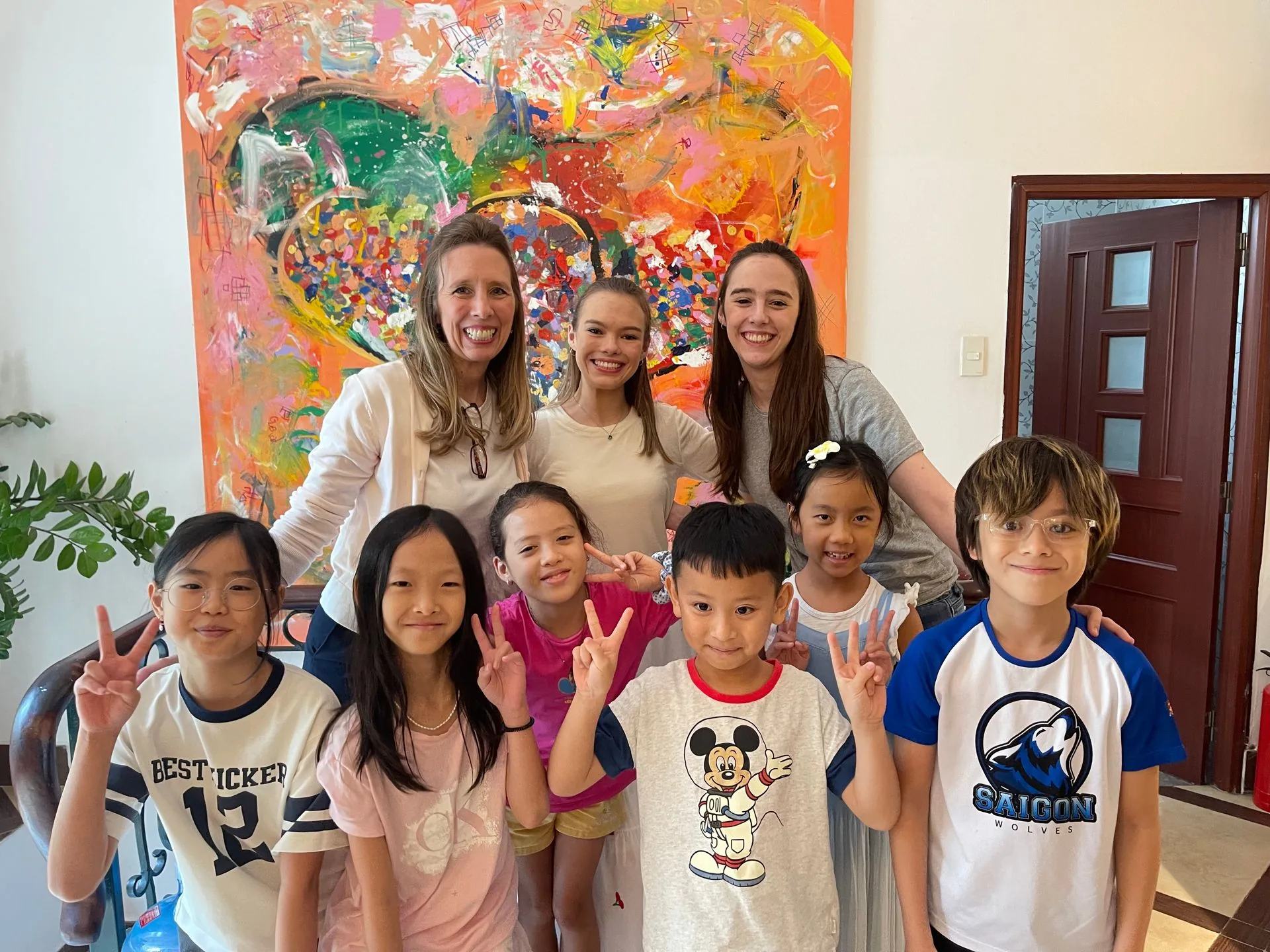
This is one reason Spark emphasizes(https://www.sparkvn.edu.vn/the-class-size-secret-why-4-6-students-produces-10x-better-results-than-one-on-one-tutoring-or-school-classes? ). Small groups allow students to benefit from peer interaction while still giving the teacher enough opportunities to listen to each child read, speak and explain their thinking.
A student has people to communicate with, but they are not disappearing into a crowd.
That balance can be extremely valuable.
Teachers Can See More in Person
Good teaching involves much more than checking whether an answer is correct.
Teachers are constantly watching how students approach learning.
A child starts writing immediately.
Another stares at the page.
One student reads an unfamiliar word carefully.
Another looks at the first letter and guesses.
A student erases the same sentence four times.
Someone looks confused but doesn't ask for help.
Another child has already finished and needs something more challenging.
Those behaviors tell teachers something.
Sometimes a student's hesitation is just as informative as their final answer.
In-person learning gives teachers an especially rich view of those subtle behaviors because they can see the child's materials, body language, interactions and work habits simultaneously.
That can be particularly useful with younger learners who may not yet know how to say:
"I don't understand what I'm supposed to do."
Younger Children Often Benefit From Physical Learning
Age matters enormously when comparing online and in-person education.
A six-year-old and a sixteen-year-old should not be expected to learn in exactly the same way.
Young children often benefit from touching, moving, sorting and manipulating things.
They can build words with letters.
Move flashcards.
Write on whiteboards.
Point to sounds.
Hold books.
Play games.
Move around the room.
Work directly beside a teacher.
For children developing early reading skills, these experiences can be particularly valuable.
Spark's English programs and learning pathways https://www.sparkvn.edu.vn/Programs are designed around different stages of English development because the needs of a child learning foundational literacy are very different from those of a teenager preparing for academic study.
This doesn't mean young children cannot learn online.
Many can.
But the younger the child, the more important it becomes to consider attention span, independence, movement and whether they can meaningfully interact with the lesson through a screen.
Online Learning Has One Enormous Advantage: Access
Now we get to one of online learning's greatest strengths.
Location stops mattering as much.
The right teacher for your child may not live nearby.
They may not even live in the same country.
This is especially relevant for international families.
Imagine a child begins learning with a teacher in Ho Chi Minh City. The teacher understands the child's reading ability, knows which spelling patterns are difficult, understands how confident they are speaking and has spent months building a relationship with them.
Then the family moves.
Traditionally, that relationship would end.
Online learning can allow it to continue.
The child does not necessarily need to start again with somebody new simply because their physical location has changed.
For international families who move between countries, that continuity can be extremely valuable.
Online Learning Can Give a Child Intense Individual Attention
There is another advantage to a well-run online lesson:
There is nowhere to hide.
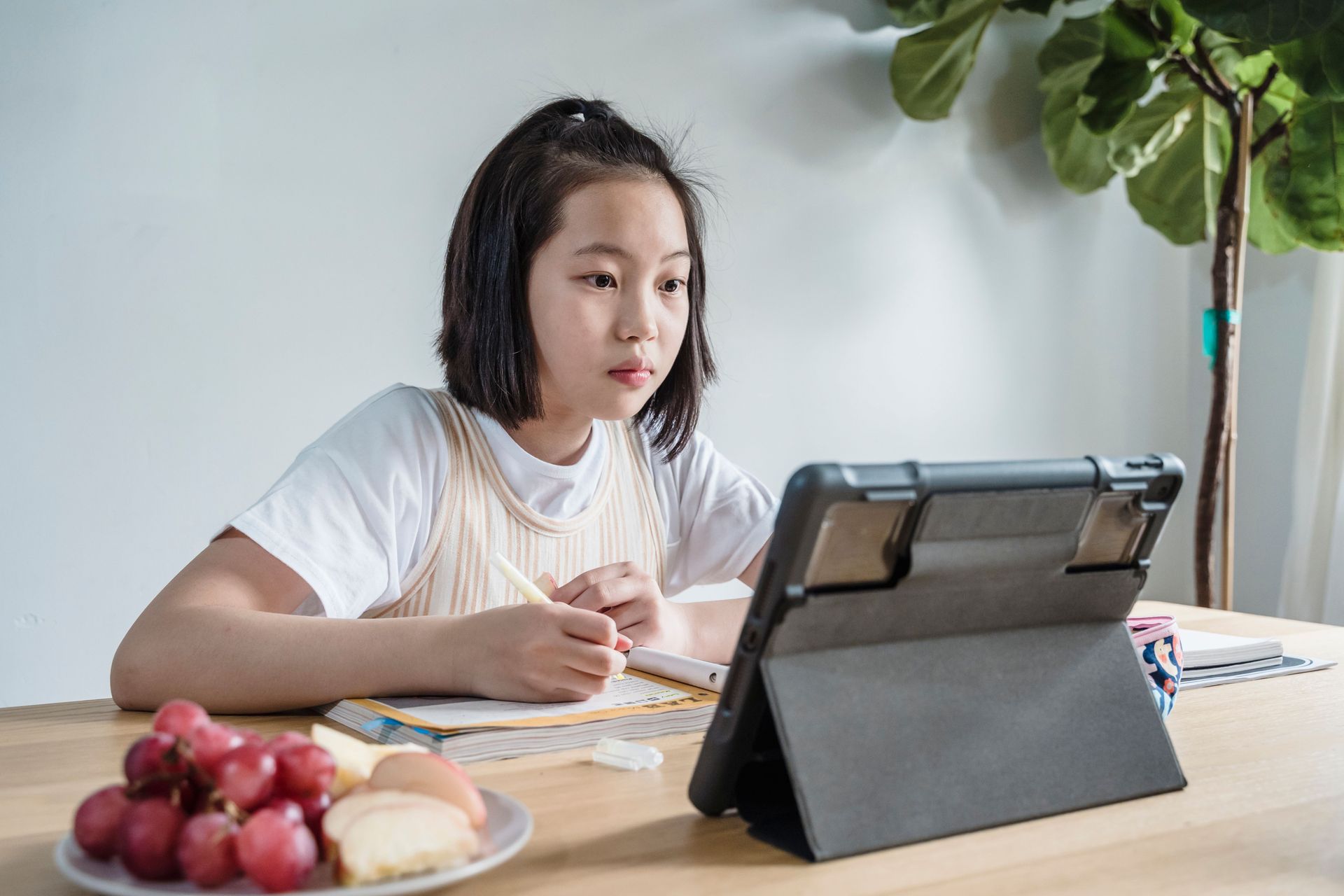
In a private online class, the teacher asks a question and the student has to respond.
The student reads.
The teacher listens.
The student explains.
The teacher asks a follow-up question.
The student writes.
The teacher gives feedback.
For an older, independent learner, this can create a remarkably focused lesson.
There may be very little wasted time.
This is one reason online learning can work particularly well for targeted support such as reading comprehension, grammar, vocabulary, writing feedback, speaking practice and exam preparation.
It can also work particularly well when a student already has strong foundations and needs help with one specific area rather than an entire language program.
Online Learning Also Removes the HCMC Commute
For families living in Ho Chi Minh City, this is not a small issue.
Imagine a child finishes school at 3:30.
They travel home.
Eat.
Get back into a car.
Sit in traffic.
Arrive at their English class.
Study.
Then sit in traffic again.
By the time they arrive home, they may be exhausted.
Now compare that with:
School.
Home.
Snack.
Break.
Laptop.
Lesson.
Dinner.
The online student may begin the lesson with considerably more energy.
Convenience is not automatically educational quality, but it can influence educational quality because it affects consistency.
A theoretically perfect program that a family struggles to attend every week may ultimately be less useful than a good program they can consistently maintain.
What About Phonics?
This is where the online-versus-in-person debate becomes more complicated.
Phonics involves learning relationships between spoken sounds and written letters or spelling patterns.
A teacher can absolutely teach many phonics skills online.
They can model a sound.
Listen to a child repeat it.
Display letters.
Blend words.
Segment words.
Read stories.
Practise spelling.
But younger children can also benefit from physically manipulating letters, handwriting, interacting with printed books and receiving immediate support with physical materials.
So instead of asking:
"Does online phonics work?"
ask:
"Is my child learning phonics effectively online?"
Can they identify the sounds independently?
Can they blend them?
Can they read unfamiliar words?
Can they spell?
Can they transfer what they practised on screen into a physical book?
If yes, excellent.
If the parent spends the entire lesson saying:
"Sit down."
"Look at your teacher."
"Stop touching that."
"Come back."
then the issue may not be phonics.
The learning environment simply may not suit that child yet.
What About Speaking and Communication?
This is one area where both formats have interesting advantages.
A private online lesson can provide a tremendous amount of speaking time.
The child has one teacher listening carefully to them, correcting pronunciation, asking questions and encouraging longer answers.
But a small in-person group offers something different.
The child has to communicate with multiple people.
They have to listen to another child.
Wait their turn.
Respond to somebody else's idea.
Ask a question.
Clarify.
Disagree.
Explain something another student did not understand.
Join a conversation already happening.
Those are real communication skills.
This is particularly relevant for children working on pronunciation, articulation and speaking confidence through Spark's Speak Clearly program https://www.sparkvn.edu.vn/speak-clearly.
Clear communication is not simply about producing sounds correctly when a teacher asks you to repeat a word.
Children eventually need to use those sounds while reading, explaining, storytelling, discussing and presenting.
A student who can perfectly pronounce a difficult word during an exercise has made progress.
But the real goal is being able to use that word clearly when they are excitedly telling someone a story.
That transfer into natural communication matters.
What About Shy Children?
This is where individual differences become especially important.
Some parents assume shy children automatically need in-person classes to "bring them out of their shell."
That isn't always true.
A hesitant student may initially feel safer communicating with one teacher online.
There are fewer people watching.
There is less social pressure.
They may gradually become more willing to answer questions, read aloud and make mistakes.
For another child, however, being physically present in a small, supportive group may be exactly what helps them gain confidence.
They see other children make mistakes.
They realize nobody laughs.
They participate in a game.
They answer something correctly.
They make a friend.
Confidence begins to grow.
The objective should never be to turn a naturally quiet child into the loudest person in the room.
It is to help them communicate when they want or need to communicate.
What About Reading?
Reading can work well in either environment.
Digital books can be displayed online.
A teacher can listen while a student reads.
They can highlight vocabulary.
Ask comprehension questions.
Practise expression.
Discuss characters.
Work on unfamiliar words.
But physical books still have advantages, particularly for younger children.
There is something valuable about learning how to navigate a real book, follow print, turn pages, return to a sentence, point to a word and gradually develop independent reading habits away from a screen.
Ultimately, the real test is not:
"Can my child read this with the teacher?"
It is:
"Can my child read independently?"
That should be the destination regardless of format.
What About Writing?
Online learning can be particularly effective for older students' writing.
A student can share a document with a teacher.
The teacher can highlight a sentence.
Ask why a particular word was chosen.
Suggest that the student reorganize a paragraph.
Compare drafts.
Give immediate feedback.
For Academic English and IELTS students, this can be extremely efficient.
Spark's [IELTS preparation pathway]https://www.sparkvn.edu.vn/introductory-ielts-course-in-hcmc-spark-english-center? develops the wider reading, writing, listening and speaking skills students need rather than treating IELTS preparation as simply memorizing exam tricks.
However, younger students still need opportunities to physically write.
Typing is not the same as handwriting.
Spellcheck can also hide problems.
Predictive text can suggest words the student may not actually know how to spell.
AI and grammar tools can rewrite sentences.
These tools can be useful, but teachers still need opportunities to determine what the student can do independently.
Online Learning Requires a Different Kind of Independence
The biggest problem with online learning may not be the screen itself.
It may be everything surrounding it.
A phone.
Notifications.
Games.
YouTube.
Another browser tab.
A sibling.
Food.
A pet.
A toy sitting beside the computer.
The temptation to do something else is enormous.
Older students are often better able to manage these distractions.
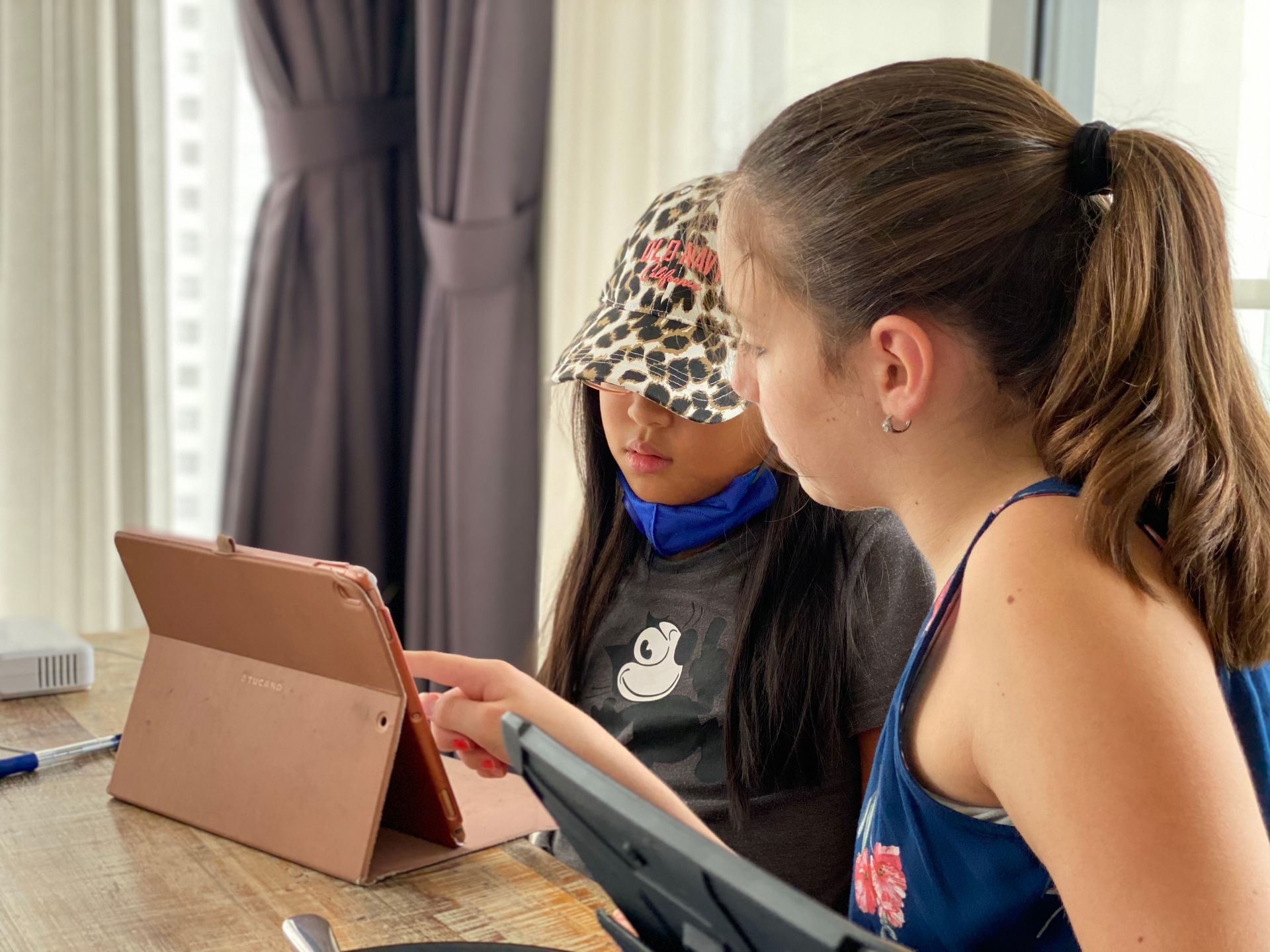
Younger children may need much more external support.
For online learning to work effectively, families should think about the environment as carefully as the lesson.
Is the room reasonably quiet?
Can the child hear clearly?
Is the internet reliable?
Are notifications turned off?
Does the child have the materials they need?
Can they work without a parent constantly redirecting them?
These things matter.
But In-Person Learning Is Not Automatically Better
This point is just as important.
A child can sit physically inside a classroom and learn very little.
Being in the same room as a teacher does not automatically guarantee:
good instruction;
appropriate difficulty;
individual feedback;
sufficient speaking time;
correct placement;
meaningful practice;
or measurable progress.
This is one reason class size matters.
A child may technically attend a face-to-face English lesson every week while spending most of it listening to other students.
Spark's approach to small-group English learning https://www.sparkvn.edu.vn/the-class-size-secret-why-4-6-students-produces-10x-better-results-than-one-on-one-tutoring-or-school-classes? is designed to balance peer interaction with opportunities for individual participation and feedback.
The question parents should ask is not simply:
"Is there a teacher physically in the room?"
It is:
"What is my child actually doing during that hour?"
How Do I Know Which Format Is Working?
Look for evidence.
Is your child's reading becoming more fluent?
Are they guessing fewer words?
Is their vocabulary growing?
Can they explain what they read?
Is their writing becoming longer, clearer and more accurate?
Are they more confident speaking?
Can they use skills without the teacher prompting them?
Are recurring mistakes gradually disappearing?
Can they apply what they learned in another situation?
These questions are much more informative than asking whether a lesson happened online or in person.
Ultimately, learning should produce change.
What About International-School Students in HCMC?
This question becomes particularly important for international and bilingual school families because a student may already spend most of the day learning in English.
Parents sometimes assume:
"My child is surrounded by English all day, so they don't need English support."
But exposure and mastery are not the same thing.
A student may speak English fluently with friends while struggling with spelling.
Another may read fluently but have weak comprehension.
Another may understand everything but produce extremely simple writing.
An older student may speak like a native English speaker socially but struggle with academic vocabulary, literary analysis or structured essays.
Spark's Parent Guide for International and Bilingual School Families https://www.sparkvn.edu.vn/Parent-guide? explains this distinction in more detail.
For these students, choosing between online and in-person learning should come after identifying the actual learning gap.
A teenager who needs targeted essay feedback may work extremely well online.
A young student who is guessing words because of weak phonics foundations may benefit more from structured face-to-face literacy instruction.
Different problem.
Different solution.
When In-Person Learning May Be the Better Choice
In-person learning may be particularly useful for younger children, students who struggle to concentrate online, learners who benefit strongly from physical materials, children developing foundational literacy, students who need peer interaction, or learners whose confidence grows through participating in a supportive group.
It may also be particularly valuable when communication and collaboration are major learning goals.
But "in person" alone is not enough.
Parents should still consider class size, teacher quality, curriculum, assessment and whether their child is receiving enough opportunities to actively participate.
When Online Learning May Be the Better Choice
Online learning may be an excellent option for older or more independent students, families living far from the right teacher, students who need highly targeted one-to-one support, international families who relocate frequently, or teenagers receiving focused writing, Academic English or IELTS support.
It can also be useful when commuting would otherwise make regular attendance difficult.
And there is one advantage that should not be underestimated:
continuity.
If your child has found a teacher who understands them, motivates them and knows exactly where their learning gaps are, online teaching can sometimes allow that relationship to continue even when geography changes.
Could the Best Answer Be Both?
Absolutely.
We do not have to turn education into:
ONLINE vs. IN PERSON.
They are tools.
And different tools solve different problems.
A child might attend structured in-person literacy lessons while receiving occasional online speaking practice.
An older student might attend an English program in person but work online with a teacher for additional writing feedback.
A family might temporarily switch online while traveling.
A student might begin in person and continue online after moving overseas.
A teenager might do most independent work digitally while attending face-to-face lessons for discussion and feedback.
The important question remains:
What does this learner need right now?
Start With the Student, Not the Format
This is perhaps the most important point in the entire discussion.
Parents sometimes begin with:
"Should I choose an online class or an in-person class?"
We would begin one step earlier:
"What does your child actually need help with?"
Phonics?
Reading fluency?
Reading comprehension?
Spelling?
Vocabulary?
Writing?
Pronunciation?
Speaking confidence?
Academic English?
IELTS?
Until we understand the problem, it is difficult to choose the best solution.
This is why Spark encourages families to begin with an assessment rather than simply placing a child into a class based on age.
Parents can explore Spark's different English programs and learning pathways https://www.sparkvn.edu.vn/Programs? to understand how support changes as students progress from foundational literacy and communication into more advanced Academic English and exam preparation.
Frequently Asked Questions
Is online learning as effective as in-person learning?
It can be, but effectiveness depends on much more than the format. Student age, independence, teacher quality, lesson design, subject, class size, consistency and individual learning needs all matter. A well-designed online lesson can be highly effective, while simply sitting in a physical classroom does not guarantee learning.
Is online English learning good for young children?
It can work for some children, particularly with engaging teaching, short activities and appropriate parental support. However, younger learners often benefit strongly from movement, physical materials and direct interaction, so parents should pay close attention to engagement and progress rather than assuming one format will work for every child.
Is online learning good for phonics?
Many phonics skills can be taught online, including sound recognition, blending, segmenting and reading practice. However, younger learners may also benefit from physical letter manipulation, handwriting and printed books. What matters is whether the child can apply the skills independently beyond the screen.
Which is better for speaking: online or in person?
Both offer different advantages. One-to-one online lessons can provide large amounts of individual speaking time, while small in-person groups give children opportunities to listen, respond, collaborate and communicate with different people. Students who need targeted communication support can also explore Spark's [Speak Clearly program](https://www.sparkvn.edu.vn/speak-clearly?utm_source=chatgpt.com).
Is online learning good for IELTS preparation?
It can be particularly effective for independent older students because writing can be shared digitally, speaking can be practised directly and reading and listening resources are easy to access. However, the quality of instruction and the student's underlying English proficiency remain more important than whether the lesson happens online.
My child is easily distracted online. Should we switch to in-person classes?
Possibly. First consider whether the problem can be improved by changing the environment, removing notifications, shortening sessions or increasing interaction. If the child still needs constant redirection to participate, a structured in-person environment may be a better fit.
My child attends an international school. Do they need additional English classes?
Not necessarily. However, speaking English fluently does not automatically mean every area of English is equally strong. Students can have specific gaps in phonics, spelling, comprehension, vocabulary, writing or Academic English. Spark's [guide for international and bilingual school families](https://www.sparkvn.edu.vn/Parent-guide?utm_source=chatgpt.com ) explains some of these differences.
How do I know what kind of English support my child needs?
Look beyond a general label such as "good at English" or "bad at English." Consider reading accuracy, comprehension, vocabulary, spelling, writing, speaking and confidence separately. A structured assessment can provide a clearer picture of where support may be useful.
Final Thought: The Best Classroom Is the One Where Learning Actually Happens
A laptop does not automatically make a lesson modern.
A classroom does not automatically make a lesson effective.
What matters is what the student is actually doing.
Are they thinking?
Reading?
Writing?
Speaking?
Listening?
Asking questions?
Receiving feedback?
Correcting mistakes?
Applying what they have learned?
Becoming more independent?
Making progress?
For some children, the best place for that will be sitting around a table with a teacher and a small group of classmates.
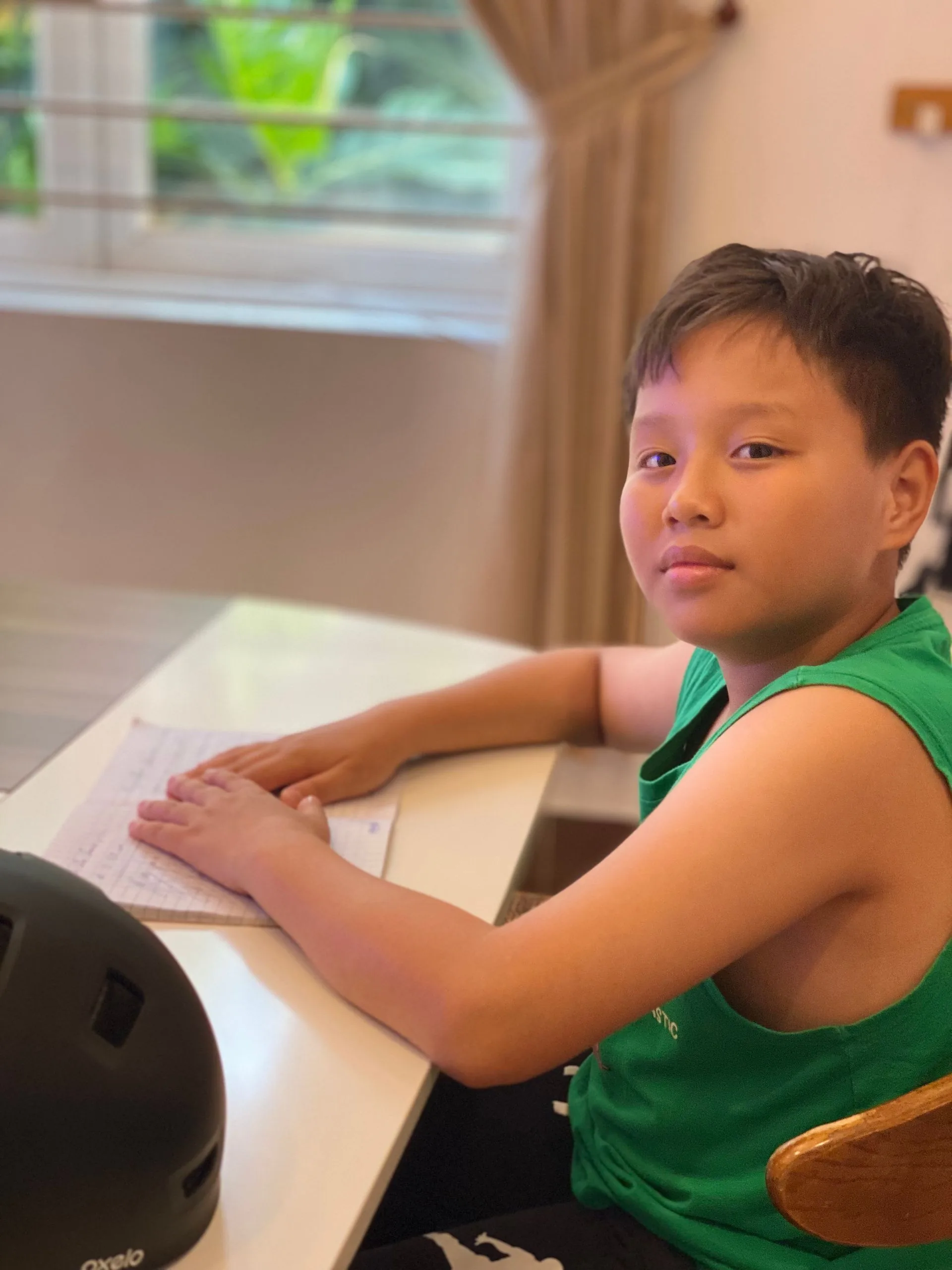
For another child, it may be at home with headphones on, working intensively with a teacher through a screen.
And for many students, the answer may change as they get older.
A child who benefits enormously from hands-on, face-to-face phonics instruction at age six may become an exceptionally effective online learner at sixteen.
The format matters.
But the learner matters more.
Online or In Person? Start by Finding Out What Your Child Needs
If you are trying to decide between online English classes and in-person English classes in Ho Chi Minh City, don't begin with the screen or the classroom.
Begin with your child.
At Spark English Center Vietnam in Thảo Điền, we work with students across different stages of English development, from foundational literacy and communication through Academic English and IELTS preparation.
Families can explore our English programs at Spark https://www.sparkvn.edu.vn/Program, learn more about communication development through [Speak Clearly](https://www.sparkvn.edu.vn/speak-clearly?, read our [Parent Guide for International and Bilingual School Families](https://www.sparkvn.edu.vn/Parent-guide? ), or begin with a Assessment to identify their child's strengths, learning gaps and most appropriate next step.
Don't choose online or in person because one sounds better. Choose the learning environment that helps your child learn better.