Why IELTS Self-Study Fails Without a Plan (HCMC Guide)
“My Child Is Studying IELTS… But Nothing Is Changing”
Why International School Students in HCMC Get Stuck — and What Actually Works
It’s a concern many parents across Ho Chi Minh City (Saigon) quietly share:
“My child is studying regularly… but I don’t see real progress.”
They are:
- completing practice tests
- learning vocabulary
- spending hours studying
But results feel slow. Or worse—unchanged.
👉 This is not unusual
👉 And it’s not because your child isn’t trying
What’s Really Going Wrong
At a certain stage, IELTS preparation stops being about effort.
It becomes about:
👉 structure
👉 consistency
👉 direction
Without these, even hardworking students struggle to move forward.
Mistake 1: No Clear Study Plan
What This Looks Like
Students often:
- switch between materials
- watch random lessons
- practice different skills without focus
It feels productive—but it lacks direction.
Why This Slows Progress
Without structure:
- important skills are missed
- weak areas are ignored
- improvement becomes uneven
👉 Effort becomes scattered
A Better Way to Study
Students need a simple, realistic weekly plan that includes:
- writing practice
- speaking practice
- reading and listening
- review and correction time
What Actually Works
Consistency over intensity.
👉 A steady, structured routine leads to real progress
👉 Not bursts of motivation followed by gaps
Mistake 2: Giving Up Too Early
What Many Students Expect
- fast results
- quick band score increases
- noticeable improvement in a few weeks
The Reality
Real IELTS progress usually takes:
👉 8–12 weeks of consistent effort
Especially for:
- writing clarity
- speaking confidence
- grammar accuracy
What Happens Without This Understanding
Students:
- feel discouraged
- think they are not improving
- lose motivation
👉 and stop too soon
What Helps Instead
Shift the focus from:
👉 final score
To:
👉 weekly progress
Small Wins That Matter
- clearer paragraph structure
- fewer grammar mistakes
- more confident speaking
- better task understanding
These are signs of real improvement.
Why This Matters for International School Students
In international schools in Vietnam:
- students must write clearly
- explain ideas in detail
- participate actively in class
Without strong English foundations:
👉 learning becomes harder across all subjects
The Hidden Risk
Students may:
- appear to understand lessons
- but struggle to express ideas
👉 which affects confidence and performance
How Spark Supports Structured Progress
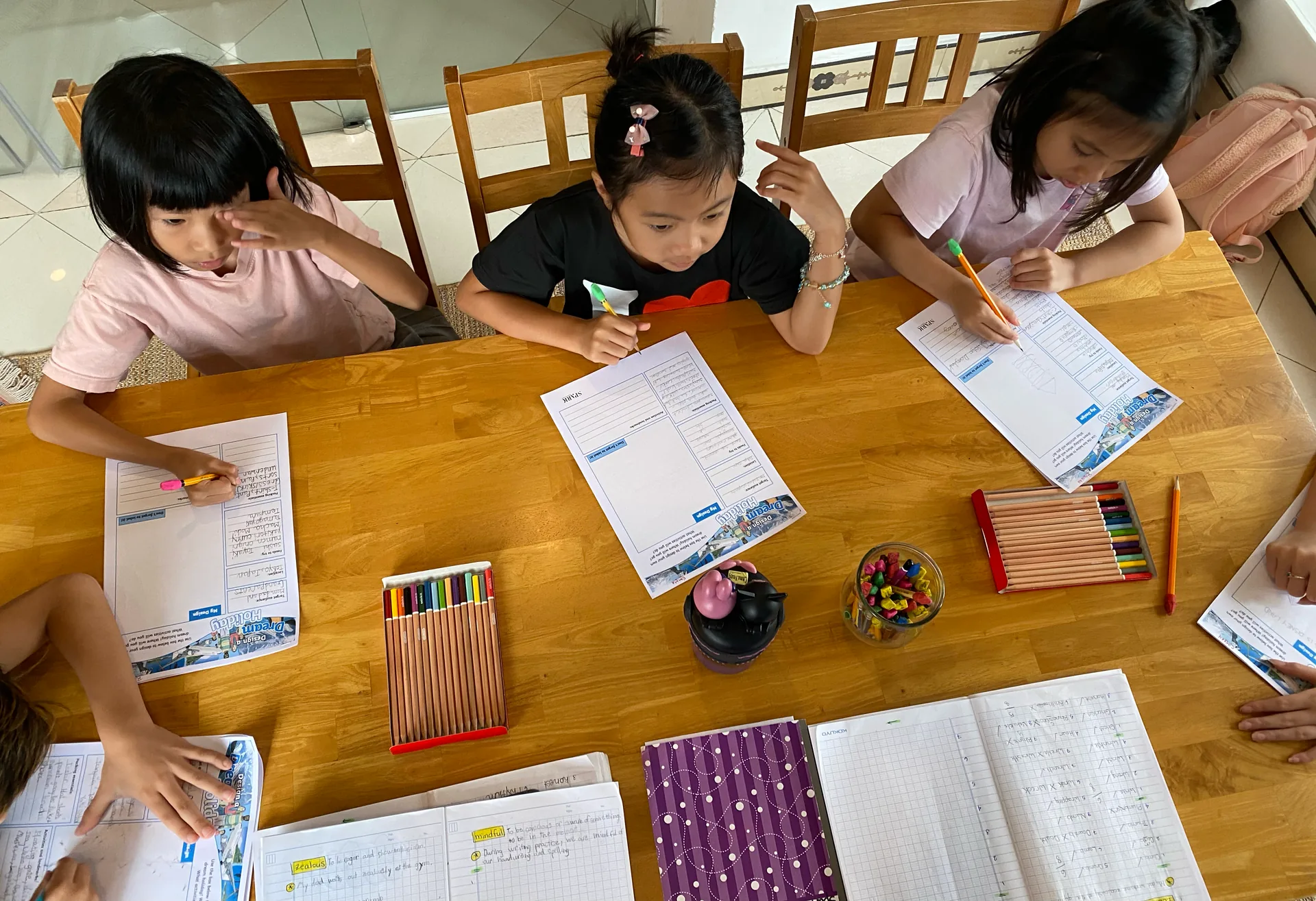
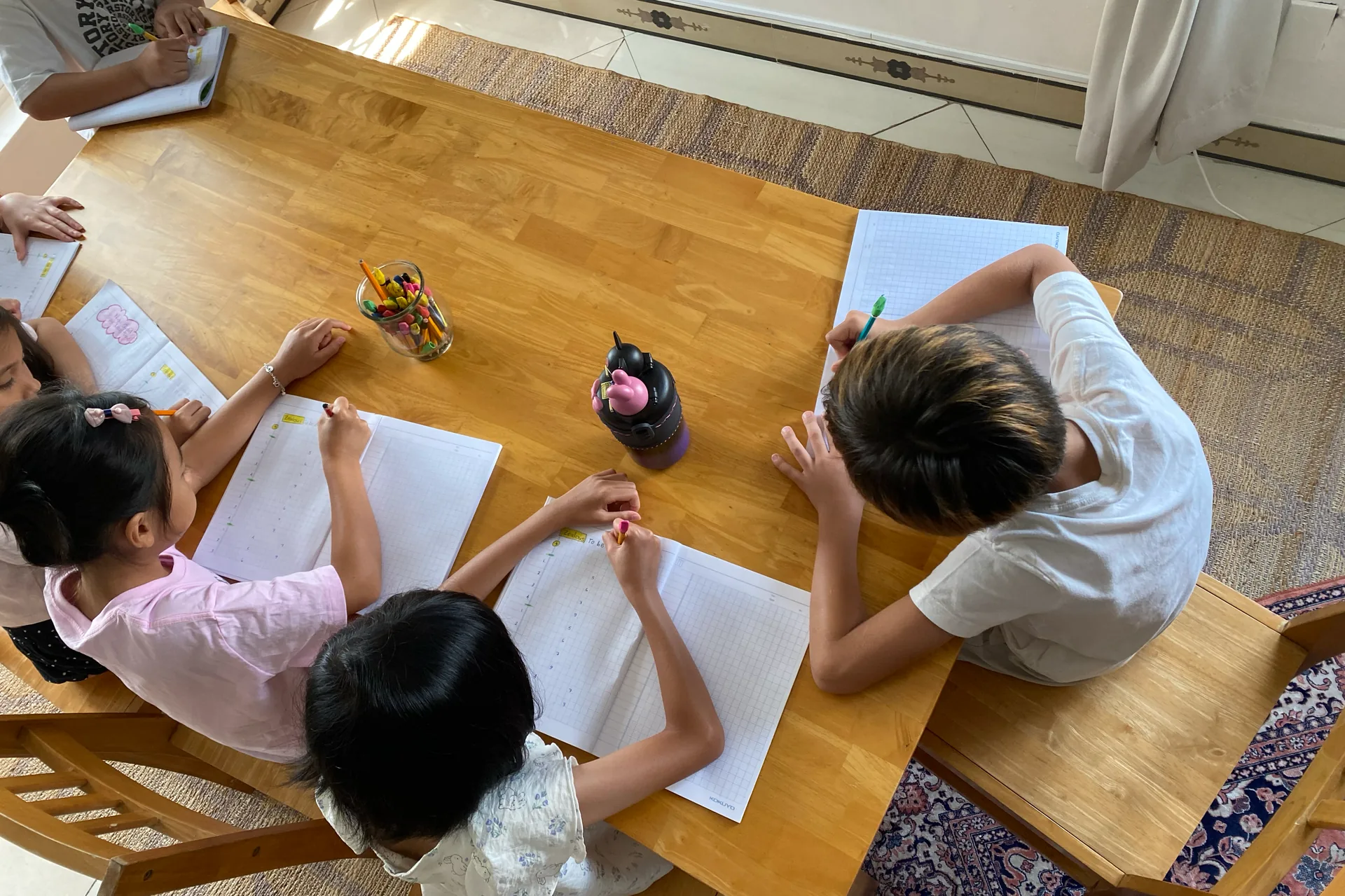
At Spark English Center Vietnam, students are not left to “figure it out” alone.
Instead, they follow a clear pathway:
- structured literacy and phonics foundations
- guided ESL support for international school students
- step-by-step progression toward academic English and IELTS
What Makes This Different
Spark acts as a bridge between:
- what international schools expect
- and what students are actually ready for
With:
- small classes (maximum 6 students)
- personalized learning
- continuous feedback
Spark teaches the way native English-speaking parents teach their own children—through clarity, structure, and consistency.
A More Realistic Way to Think About IELTS Progress
Instead of asking:
“Why isn’t my child improving quickly?”
Ask:
👉 “Are they improving in the right way?”
Because real progress often looks like:
- stronger foundations
- clearer thinking
- more confidence over time
FAQs
Why is my child studying regularly but not improving in IELTS?
In many cases, it’s not about effort—it’s about direction. Students can spend hours studying, but if their work is not structured or focused on the right skills, progress will be limited. For example, a student might keep doing reading tests but avoid writing, which is actually the area holding their score back. Without a clear plan and targeted improvement, effort becomes repetitive rather than effective.
How long should IELTS preparation realistically take for noticeable results?
Most students need at least 8–12 weeks of consistent, structured study to see meaningful improvement. This is because skills like writing organization, grammar accuracy, and speaking fluency take time to develop. Quick improvements in a few weeks are rare and usually not sustainable. Steady progress over time is a much more reliable indicator of long-term success.
Is it normal for progress to feel slow at the beginning?
Yes, and this is often misunderstood. Early progress is usually not reflected in test scores immediately. Instead, it appears in smaller ways—clearer sentence structure, better idea organization, or improved confidence when speaking. These are foundational changes that eventually lead to higher scores, but they are easy to overlook at first.
What should a good IELTS study plan actually include?
A balanced plan should cover all four skills, but with more focus on writing and speaking. It should also include time for reviewing mistakes, not just completing tasks. A typical effective plan includes regular writing practice, daily speaking exposure, reading and listening exercises, and dedicated time for correction and reflection. Without review, practice alone is not enough.
How can I tell if my child is genuinely improving?
Instead of looking only at test scores, pay attention to patterns. Is your child making fewer repeated mistakes? Are their answers clearer and more organized? Are they speaking more confidently and with less hesitation? These are strong indicators of real improvement, even before scores increase.
Why do some students improve quickly while others stay stuck?
The difference usually comes down to how they study. Students who improve quickly tend to follow a structured approach, focus on their weaknesses, and actively learn from mistakes. Those who stay stuck often repeat the same practice without adjusting their strategy, which leads to slow or no progress.
Should my child study every day, or take breaks?
Consistency is important, but balance matters too. Short, focused study sessions done regularly are more effective than long, exhausting sessions. Breaks are necessary to avoid burnout, but the key is maintaining a steady routine rather than studying intensively for a few days and then stopping.
When should we consider getting extra support instead of continuing self-study?
If your child has been studying consistently but hasn’t improved after several weeks, or if they don’t know what they are doing wrong, it may be time for guidance. External support helps identify hidden gaps and provides direction, which can significantly speed up progress.
Final Thought
👉 IELTS success is not about doing more
👉 It’s about doing the right things consistently
If your child is studying but not progressing, the first step is understanding what’s missing.
At Spark English Center Vietnam, the free assessment checks:
- current English level
- strengths and gaps
- readiness for academic English and IELTS
This helps you see:
👉 where your child is now
👉 and what they actually need next
👉 Book your free assessment here:
https://www.sparkvn.com/Assessment
Serving international school families across HCMC (Saigon), Spark English Center Vietnam provides structured, premium English support that turns effort into real progress.